THE EDWARD REEVES ARCHIVE PROJECT
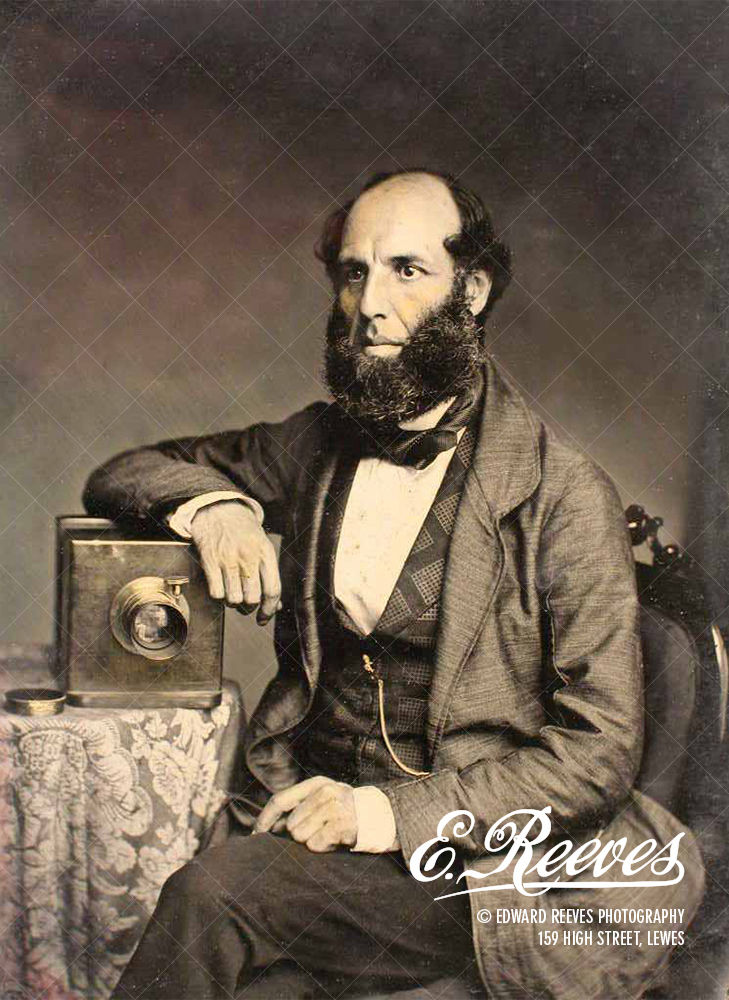
Edward Reeves took up the new medium of photography in the early 1850s.
Embracing this pioneering new career path in 1858, he moved to 159 High Street, Lewes, where he built a daylight photographic studio in the house’s garden. That studio still stands, and is in regular use today. The business Edward founded has since passed through four generations of the Reeves family.
Edward Reeves Photography is widely accepted to be the world’s longest established photographic studio that still operates from its original premises, owned and run by the same family.
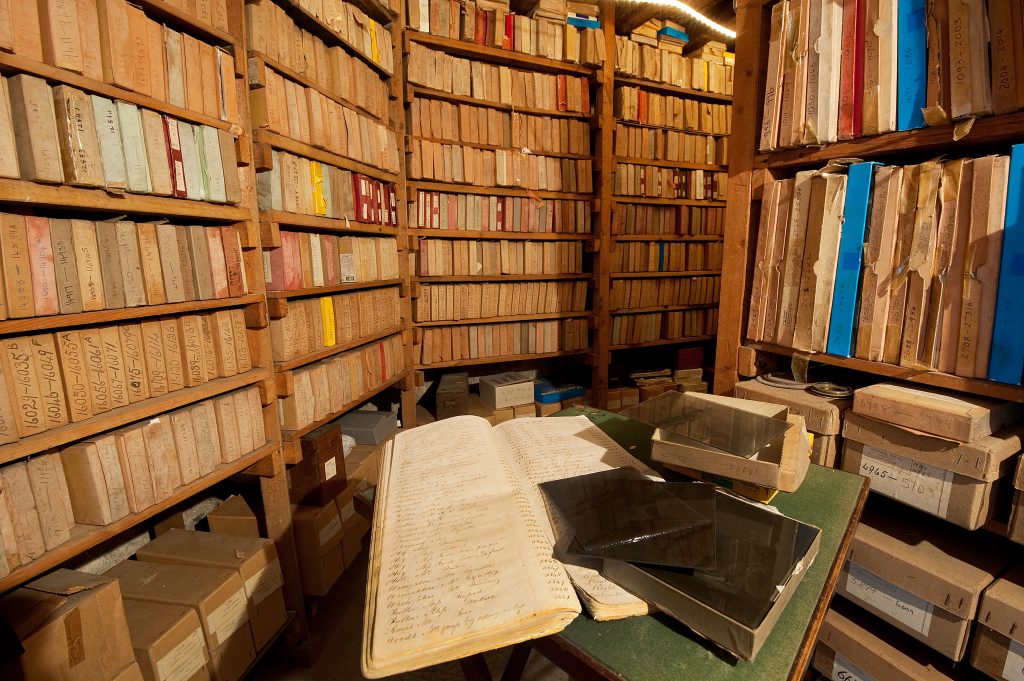
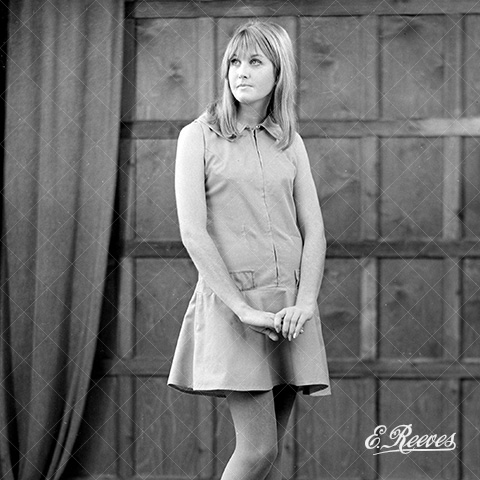
Right from the beginning, each image created by Edward Reeves Photography has been kept so that, as the business promised patrons from the start, ‘copies may be obtained at any time’. This extensive library of images has been filed away in the form of glass plates or film negatives in ideal storage conditions for photographic media. The archive remains in excellent condition. Still growing with every image taken, the Edward Reeves Archive digital files, created since the business moved away from analogue photography in the early 2000s, continues the family’s tradition of preserving the past and sharing rare insights into everyday history with the public.
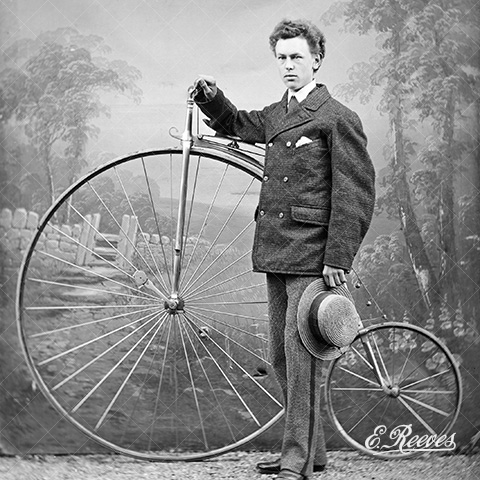
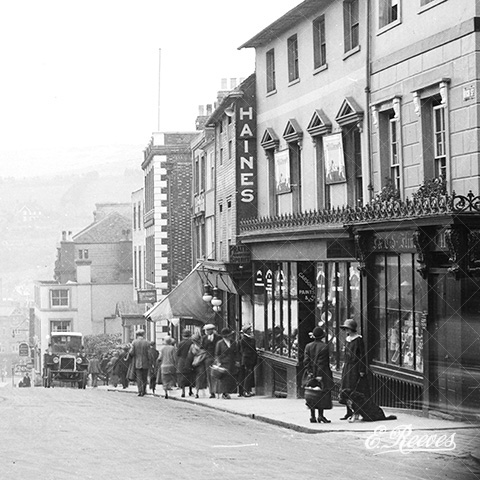
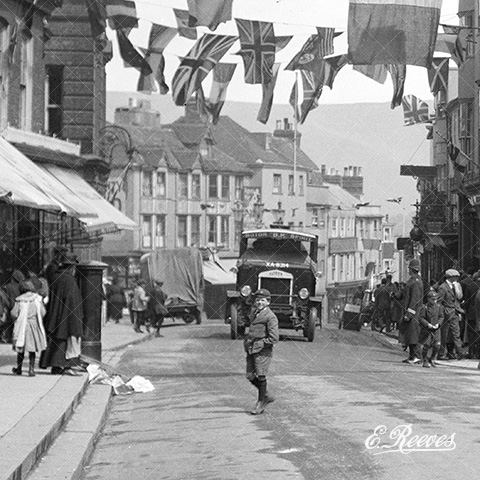
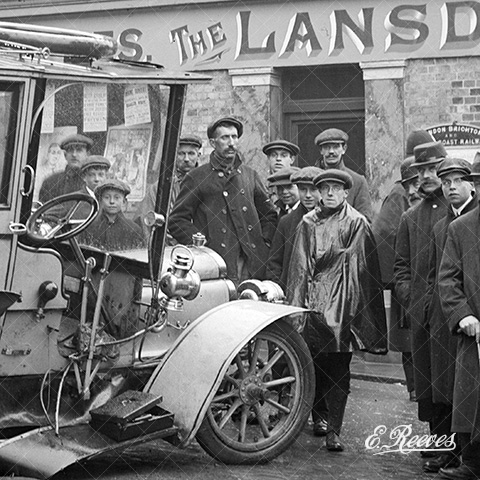
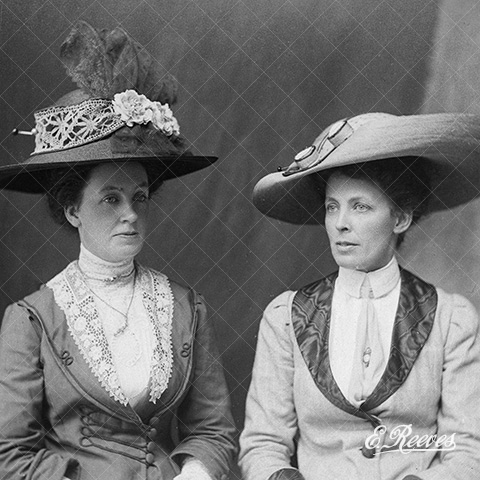

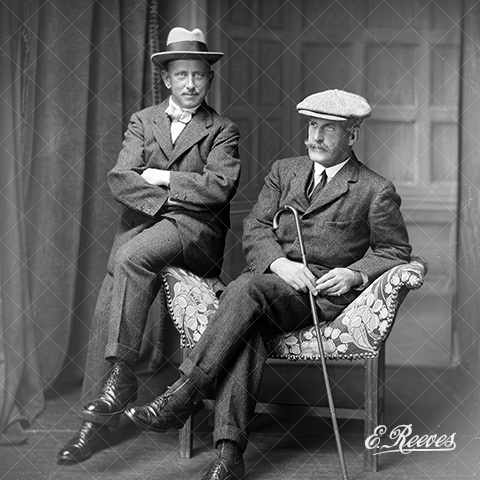
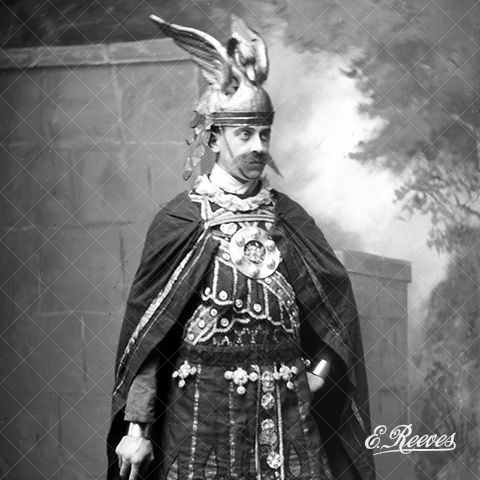
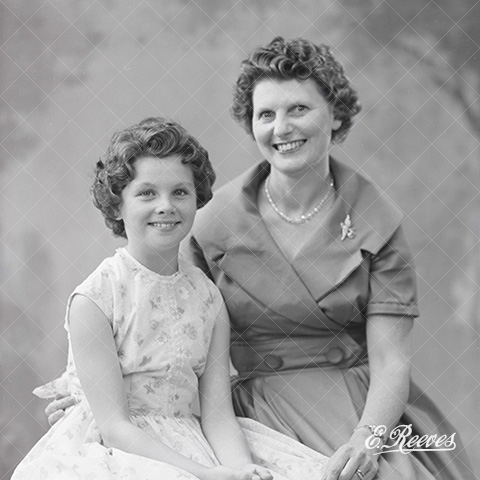
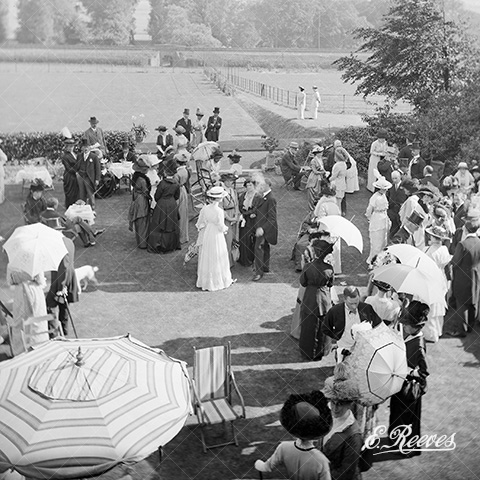
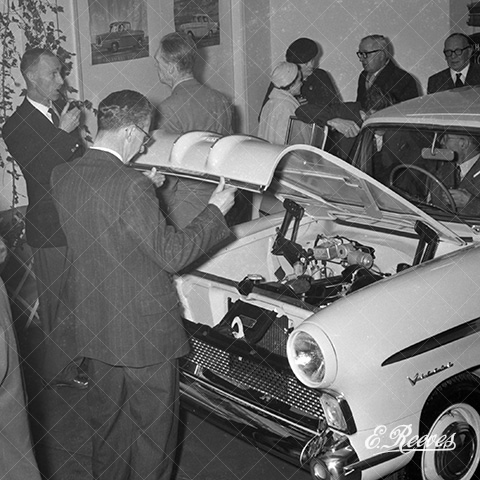
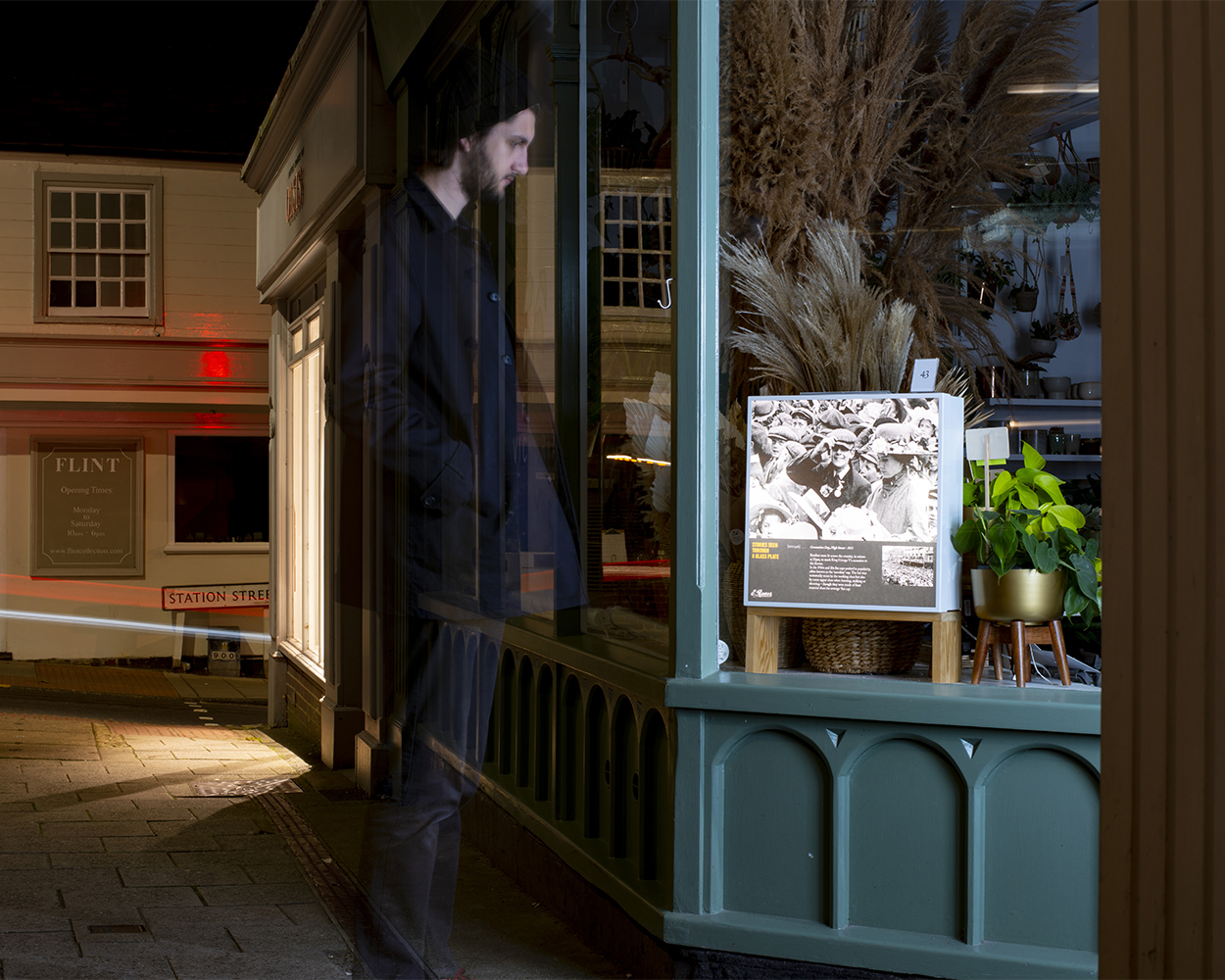
Stories Seen Through A Glass Plate: The Reeves Archive Project
Whilst the complete output of the Edward Reeves Photography studio has been kept intact since its beginnings in the mid-1850s, the ‘archive’ was never designed as such—records were made so that images could be traced and reprints made during the expected commercial life of the photographs. Therefore, a vast amount of the assembled material was near-inaccessible for any sort of targeted research before The Reeves Archive Project began in 2014.
The Project aims to assess the total contents of the Edward Reeves Archive and make it searchable and accessible for generations to come. Over more than a decade, a group of dedicated volunteers has transcribed the negative ledgers (well over 100,000 entries). This means, for the first time, it is becoming possible to search the entire archive using words. This enormous step forward is only the beginning.
The work of the Edward Reeves Archive Project and it’s volunteers has led to a number of public exhibitions and events, and it is hoped that in the future more and more will be possible.